

Process Simulation

Are you looking to optimize scheduling and organization, reduce the cost of product design changes, and select the best production method prior to the start of production?
We have the expertise to serve your industry by providing a qualified team working with one of the most reliable sources: Siemens Process Simulate.
Process Simulate utilizes organizational knowledge and 3D models of product design to virtually validate the manufacturing, optimizing, and commissioning processes, resulting in faster launches and higher production quality.
Some of the main features of Process Simulate include:
- Static and dynamic collision detection;
- 2D and 3D sections;
- Sequencing of operations;
- Automatic assembly path planning;
- Resource modeling (3D geometry and kinematics);
- Line and workstation design;
- 3D interactive documentation, including electronic work instructions; and
- Advanced filtering and display of product and manufacturing information (PMI).
This is a powerful tool, especially considering the complicated production processes required for highly complex products. Manufacturers are expected to meet cost, time, and quality production standards without errors, and it is crucial to reduce surprises by implementing a good simulation process.
Virtual Commissioning
Today’s requirements for high-quality, fast, and accurate field implementation demand well-developed software.
We are able to provide cutting-edge solutions via Digital Twins, Digital Shadows, and Process Analysis using RF::Suite. Prioritizing high fidelity, we offer simulations, with hardware or software in the loop, using Siemens, Phoenix, or Allen Bradley PLCs and with virtual robot controllers like ABB, Kuka, or Fanuc. Our company is capable of simulating the most complex lines using technologies like simple sensors or even RFID Readers/Writers to provide a full test environment.
Working cohesively with the PLC, Robotics and Hardware Design departments, KING Automation is able to emulate a virtual environment to validate and optimize the PLC and Robots’ Logic, Collision Zones, and Cycle Time Optimization ahead of installation.
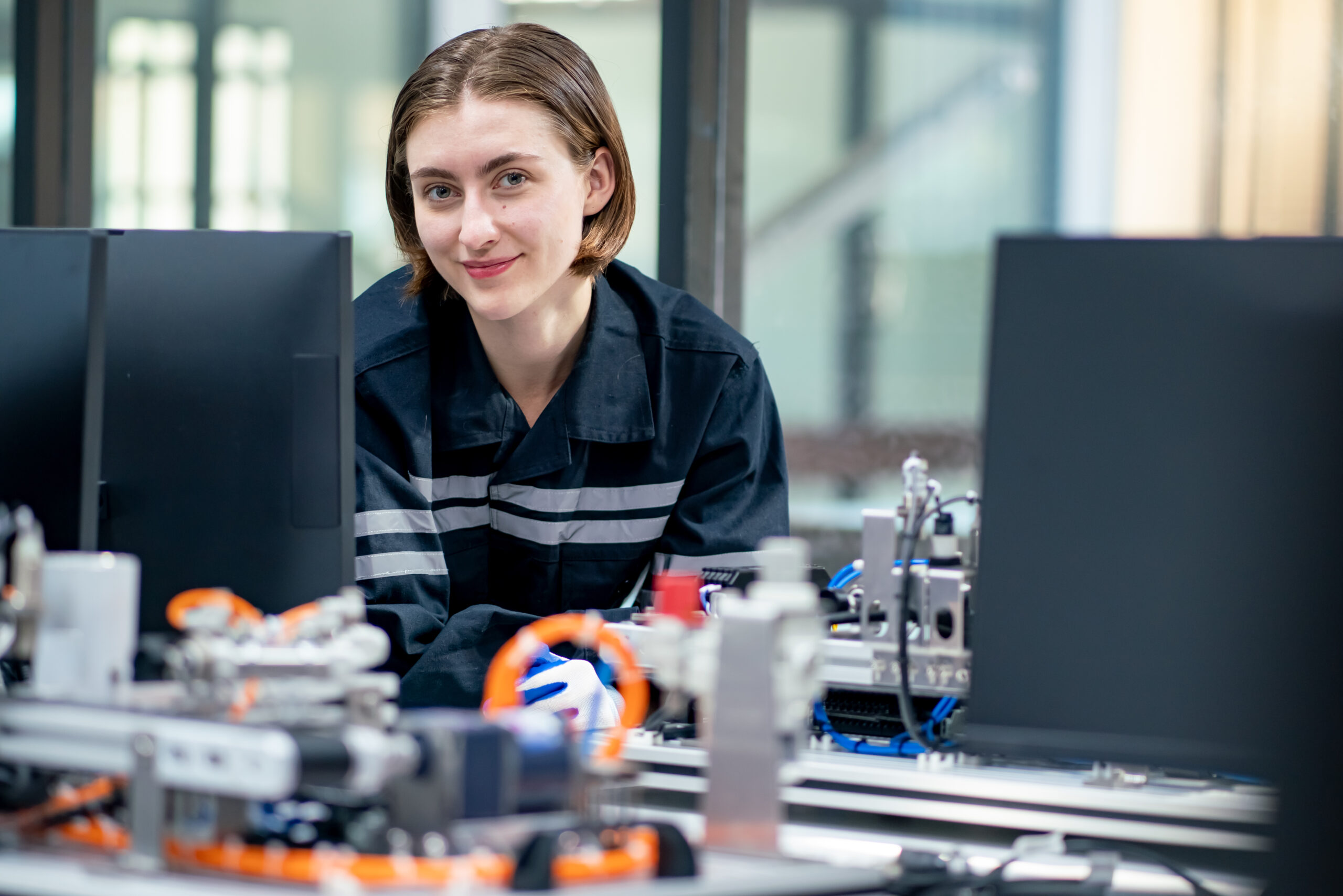
When physical robotics systems are commissioned after they are already built on the production floor, all error correction and debugging will require that production stops for relatively long periods of time. This translates into higher commissioning costs, delays, and bigger safety risks.
Offline simulation decreases the field start-up time and increases software reliability by detecting issues that can be corrected during hardware development and/or installation.
Among the benefits of implementing Virtual Commissioning are the following:
- Hasten the commissioning phase — you can test control software in parallel to other engineering phases
- Improvement in software quality
- Increase in workers' safety
- Reduction to the risk of machinery damage
- Lower debugging and rework costs
- Less production downtime
- Reduction in delays and other costs related to system integration and commissioning
With Virtual Commissioning and simulation packs in hand, making changes to live production lines has never been so easy.